Mobile Home Tie-Down Inspection Requirements in Florida: What Every Owner Should Know
If you own — or you're buying — a mobile or manufactured home in Madison,
Live Oak,
Lake City, or anywhere else in North Florida or South Georgia, chances are someone has already asked you about your "mobile tie-down inspection." Lenders ask for it before closing. Insurance carriers ask for it before writing a policy. And if a storm ever comes through, how well your home is anchored to the ground is one of the biggest factors in whether it stays put. This guide walks through what a tie-down inspection actually checks, why it matters even if no one's requiring one yet, and what to expect when FL-GA Home Inspections comes out to look at yours.
What Does "Tie-Down" Actually Mean?
Every manufactured or mobile home sits on top of the ground rather than a poured foundation, which means it needs its own anchoring system to keep it from shifting or lifting in high winds. That system typically includes ground anchors, steel straps or cables running over or around the frame, and stabilizing piers that support the weight of the home itself. A mobile tie-down inspection checks that all three of those pieces are present, correctly spaced, and still doing their job — not rusted through, not pulled loose, not missing after a prior repair.
Why a Tie-Down Inspection Gets Requested
Financing and Closing
Most lenders financing a manufactured home — whether it's a purchase or a refinance — will require a current tie-down/foundation certification before they'll fund the loan. It's one of the most common reasons we get a call.
Insurance
Carriers writing or renewing a policy on a manufactured home in a wind-exposed area increasingly want documentation that the home meets the anchoring standard for its wind zone. This often gets requested alongside, or instead of, a wind mitigation inspection (see our wind mitigation inspection page for how the two relate).
Selling or Buying
A pre-listing or pre-purchase tie-down inspection gives both sides a clean, documented answer instead of a guess — especially valuable on older homes where the anchoring system may predate the current owner.
What We Check on a Tie-Down Inspection
On site, we go underneath and around the home to document: the type and condition of ground anchors, strap/cable tension and corrosion, pier spacing and level, skirting condition where it affects access, and any visible signs of prior shifting (gaps at the frame, cracked skirting, uneven doors/windows). You get a written report the same way you would on a standard home inspection — clear findings, photos, and what (if anything) needs correcting.
HUD-Code Homes vs. Florida-Installed Standards
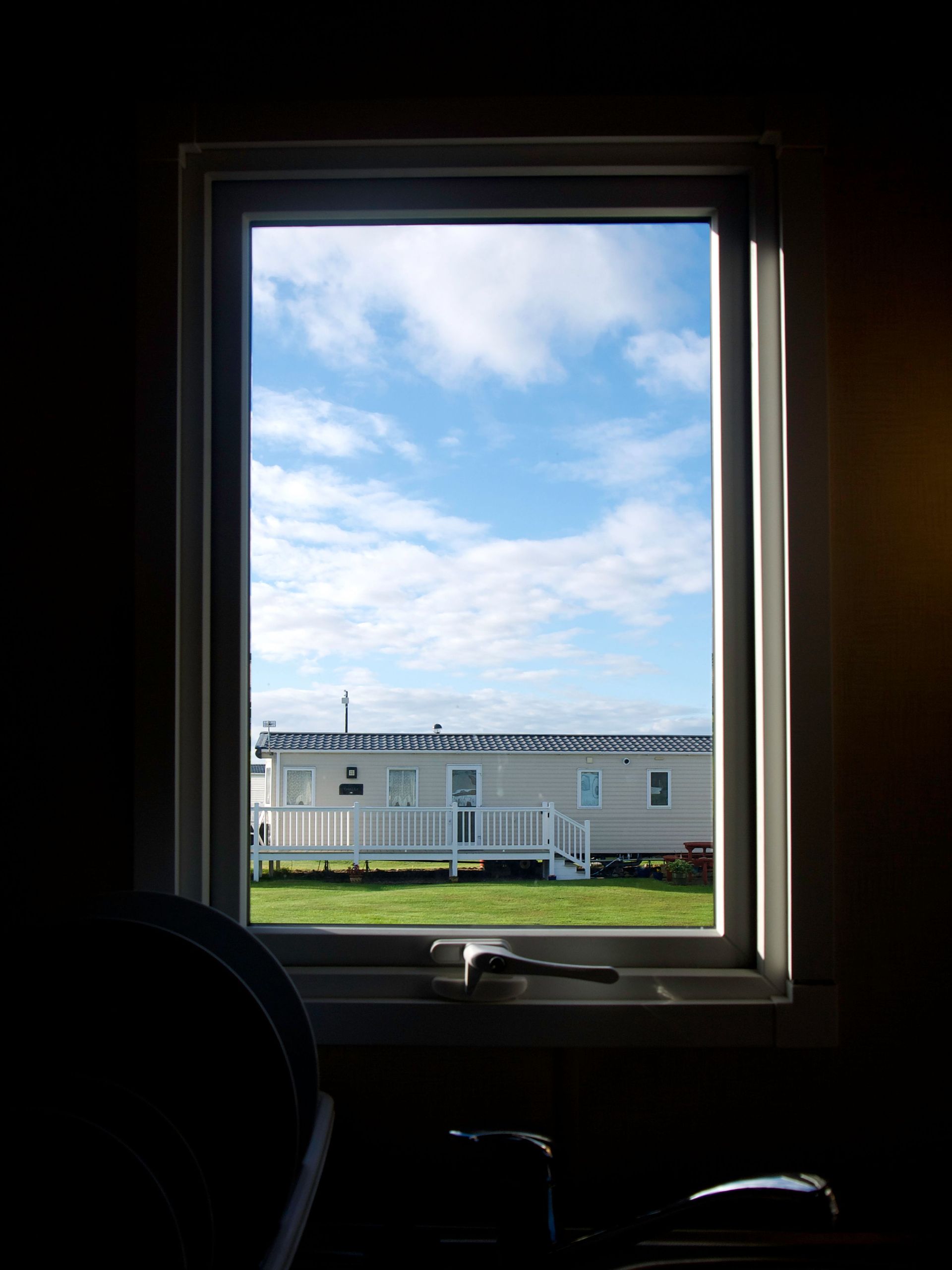
Manufactured homes built to the federal HUD Code are engineered and labeled at the factory, but how they're anchored once they land on a Florida lot is a separate, state-level requirement — that's the piece a tie-down inspection actually verifies on-site.
Serving Manufactured Home Owners Across North Florida & South Georgia
We inspect tie-down systems for owners, buyers, and lenders throughout Madison, Live Oak, Lake City, Tallahassee, and Valdosta. Manufactured and mobile homes make up a meaningful share of the housing stock in this region, and we see every era of anchoring system — from older strap-and-anchor setups that need a second look to newer installs that just need paperwork to match what's actually in the ground.
Frequently Asked Questions
Do all mobile and manufactured homes in Florida need a tie-down inspection?
Not every homeowner is required to get one on a set schedule, but you'll almost always be asked for one when financing, insuring, selling, or buying a manufactured home — and it's a smart, low-cost way to catch a problem before a storm does.
How is a tie-down inspection different from a wind mitigation inspection?
A tie-down inspection focuses specifically on how the home is anchored to the ground. A wind mitigation inspection looks at the roof and structure more broadly (roof shape, deck attachment, opening protection) for insurance-discount purposes. Homes often need both — see our wind mitigation inspection page for details.
What if my home fails part of the tie-down inspection?
You'll get a clear, itemized report showing exactly what doesn't meet standard (a corroded anchor, a missing strap, an out-of-level pier) so you or a licensed installer can address it. We don't do the repair work ourselves — we document it so you know exactly what to fix.
Ready to Get Your Tie-Down System Checked?
Whether you're closing on a loan, renewing insurance, or just want peace of mind before hurricane season, FL-GA Home Inspections can get a tie-down inspection scheduled quickly across Madison, Live Oak, Lake City, Tallahassee, and Valdosta.
Reference:
https://www.investopedia.com/terms/a/adjuster.asp