What is a Four-Point Inspection in Florida?
A four-point inspection is a specialized home inspection required by many insurance companies in Florida before they will provide coverage for older homes. This inspection focuses on four critical systems: heating, ventilation, and air conditioning (HVAC), electrical, plumbing, and roofing. Unlike a comprehensive home inspection, a 4-point inspection Florida homeowners usually need examines only these specific areas that insurers consider most likely to cause significant claims.
Florida's unique climate conditions, including hurricanes, high humidity, and intense heat, make these four systems particularly vulnerable to damage and deterioration. Insurance companies use the Florida four-point inspection form to assess the risk associated with covering your property. Understanding this process can help you prepare for the inspection and potentially save money on your insurance premiums.
Whether you're purchasing a new home, switching insurance providers, or your current insurer has requested an inspection, homeowners in the Sunshine State should know what to expect from a 4-point home inspection Florida process.
The inspection differs significantly from a comprehensive home inspection in both scope and purpose. While a full home inspection examines hundreds of components and systems throughout the property, a four-point inspection zeroes in on the four areas that historically generate the most insurance claims. This targeted approach allows insurance companies to quickly assess the major risk factors associated with your property without the time and expense of a complete evaluation.
Key Takeaways
- Four-point inspections are mandatory for most Florida homes over 30 years old when applying for insurance coverage and focus specifically on HVAC, electrical, plumbing, and roofing systems rather than the entire property.
- The inspection typically costs between $150-$400 and must be completed by a licensed home inspector who will provide a detailed report documenting the condition and age of each system.
- Insurance companies use these reports to determine coverage eligibility and premium rates, with newer systems often resulting in lower insurance costs.
- Inspection reports are typically valid for one to five years, depending on your insurance company's requirements and the age of your home's systems.
- Scheduling the inspection before shopping for insurance can prevent delays and help you address any issues that might affect your coverage options.
- Failed inspections can be addressed through system updates or repairs, making it possible to qualify for standard insurance coverage rather than more expensive high-risk policies.
When Is a Four-Point Inspection Required?
Most insurance companies require a four-point home inspection for homes built before 1994, though some insurers may require inspections for homes as recent as 2000. The specific age threshold varies by insurance company, making it important to check with your prospective insurer about their particular requirements.
You'll typically need this inspection when purchasing a new home, switching insurance companies, or when your current insurer requests an updated inspection. Some companies also require periodic re-inspections every three to five years, particularly for homes with older systems or those located in high-risk areas.
The timing of your inspection can significantly impact your insurance application process. Many homeowners find it beneficial to complete the four-point inspection before shopping for insurance quotes, as this allows you to address any potential issues proactively. Some insurance companies may place coverage on hold until they receive a satisfactory inspection report, which could delay your closing or leave you temporarily without coverage.
The inspection requirement serves as a risk management tool for insurance companies. Florida's severe weather patterns, including hurricanes and tropical storms, place significant stress on home systems. Additionally, the state's high humidity and salt air in coastal areas can accelerate deterioration of electrical, plumbing, and HVAC components.
What Does a Four-Point Inspection Cover?
HVAC System Evaluation
The HVAC portion of the inspection examines your heating, ventilation, and air conditioning systems for proper operation, age, and overall condition. In Florida's climate, air conditioning systems work harder than in most other states, making this evaluation particularly critical for insurance purposes.
Inspectors will document the type of system, manufacturer, model, age, and general condition. They'll check for proper installation, adequate ventilation, and signs of leaks or deterioration. The inspection covers both the indoor and outdoor units, ductwork accessibility, and thermostat functionality.
Special attention is paid to refrigerant lines, electrical connections, and condensate drainage systems. Florida's high humidity levels can cause significant strain on HVAC systems, leading to premature wear if not properly maintained. Inspectors also evaluate the system's efficiency and capacity relative to the home's size, as undersized or oversized units can indicate installation problems that may affect insurance coverage decisions.
Electrical System Assessment
The electrical evaluation focuses on the main electrical panel, wiring type, and overall electrical safety. Florida's frequent thunderstorms and lightning strikes make electrical system integrity particularly important for insurance companies when assessing risk.
Inspectors examine the electrical panel for proper labeling, adequate capacity, and signs of overheating or damage. They'll identify the type of wiring throughout the home, noting whether it's copper, aluminum, or potentially problematic materials like knob-and-tube or cloth-wrapped wiring that some insurers consider unacceptable.
The evaluation also includes checking for GFCI outlets in appropriate locations such as bathrooms, kitchens, and outdoor areas. Federal Pacific Electric and Zinsco panels are particularly scrutinized as these brands have known safety issues. Modern electrical codes require specific safety features that older homes may lack, and upgrading these systems can significantly improve your insurance prospects and home safety.
Plumbing System Review
The plumbing assessment covers water supply lines, drain lines, water heater condition, and visible plumbing fixtures. Florida's mineral-rich water and potential for hurricanes that can cause flooding make plumbing system integrity a significant concern for insurers.
Inspectors will identify pipe materials, checking for modern materials like copper or PVC versus older materials like galvanized steel or polybutylene that may be considered higher risk. They'll also examine the water heater for age, proper installation, and signs of leaks or corrosion.
Roofing System Inspection
The roofing evaluation is particularly crucial in Florida due to the state's susceptibility to hurricanes, hail, and intense UV exposure. Inspectors assess the roof covering material, age, overall condition, and any visible damage or wear patterns.
The inspection includes documentation of roofing material type, approximate age, and general condition. Inspectors look for missing or damaged shingles, signs of leaks, proper flashing installation, and adequate ventilation. They may also note any modifications or repairs that have been made to the roofing system.
The Inspection Process
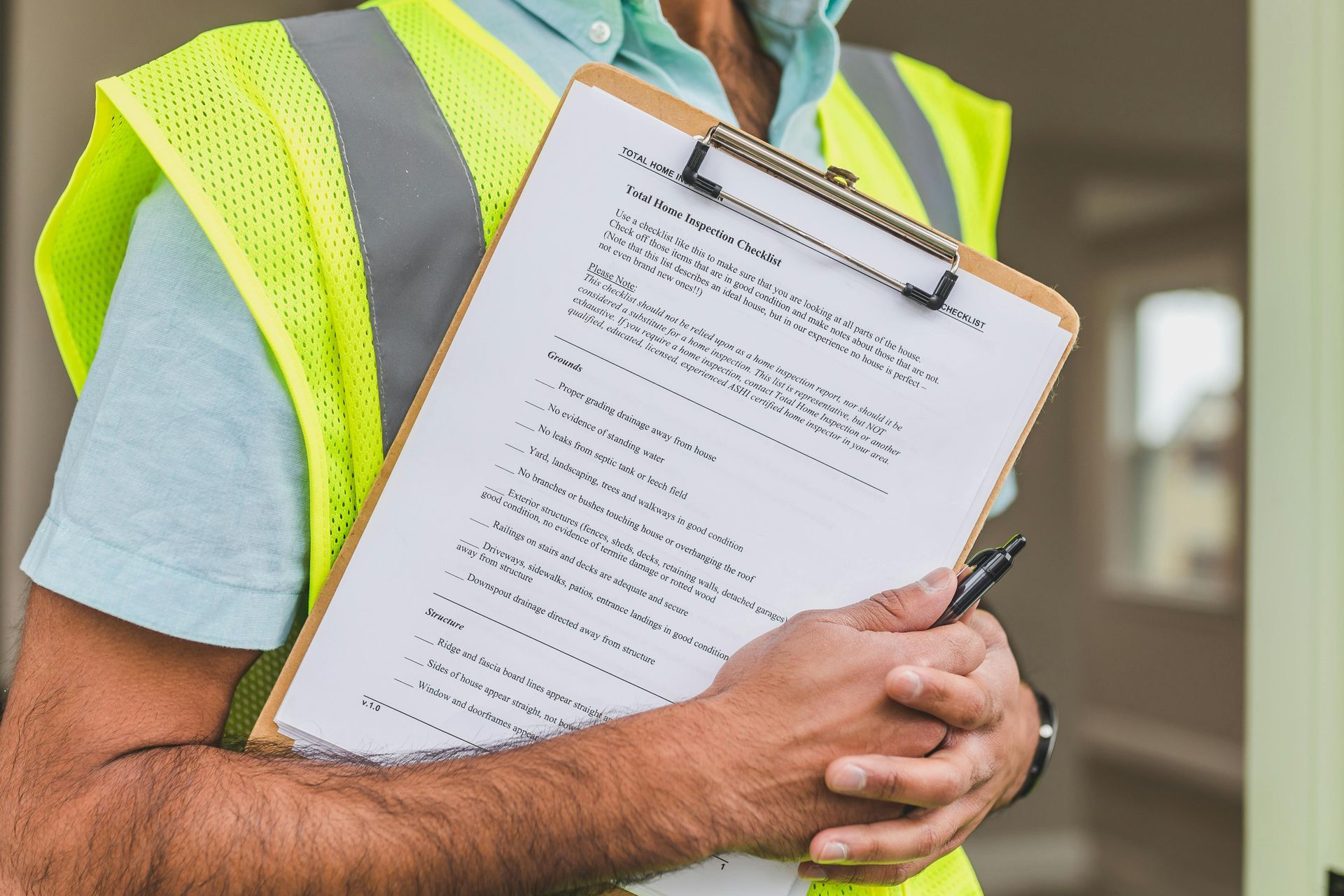
A typical 4-point inspection Florida process takes approximately one to two hours, depending on the size and complexity of your home's systems. The inspector will need access to all areas where these four systems are located, including basements, crawl spaces, attics, and utility rooms.
Before the inspection, ensure all systems are accessible and operational. Turn on utilities so the inspector can test functionality, and clear any storage or obstacles that might prevent access to electrical panels, water heaters, or HVAC equipment.
Preparation can make a significant difference in your inspection results. Consider scheduling routine maintenance for your HVAC system before the inspection, ensure all electrical panel labels are clear and accurate, and address any obvious plumbing leaks or issues. While you cannot change the age of your systems, presenting them in their best possible condition demonstrates proper maintenance to insurance underwriters.
The inspector will complete the Florida four-point inspection form during the visit, documenting findings with photographs and detailed notes. Most inspectors provide preliminary findings on-site and deliver the complete report within 24-48 hours.
Unlike comprehensive home inspections that may identify numerous minor issues, four-point inspections focus primarily on the current condition and age of major systems. The goal is to provide insurance companies with sufficient information to assess risk rather than create a detailed repair list for homeowners.
Cost and Timeline
Four-point inspection costs in Florida typically range from $150 to $400, with most inspections falling between $200 and $300. The exact cost depends on factors such as your home's size, location, accessibility of systems, and the inspector's rates in your area.
Rural areas may have higher costs due to travel time for inspectors, while urban areas with more competition among inspection companies may offer more competitive pricing. Some companies offer package deals if you're also getting other inspections, such as wind mitigation or comprehensive home inspections.
Scheduling typically allows for next-day or same-week appointments, though busy seasons around hurricane season or peak real estate periods may require more advanced planning. Most inspectors can provide reports within 24-48 hours of completing the inspection, allowing you to move forward quickly with your insurance application process.
Consider the cost of a four-point inspection as an investment in your insurance shopping process. A favorable report can potentially save hundreds or thousands of dollars annually in insurance premiums, while identifying issues early gives you time to address them before they become more expensive problems. Some insurance companies may also offer discounts for homes with recently updated systems, making the inspection cost worthwhile even beyond the immediate insurance requirements.
Understanding Your Inspection Report
Your four-point inspection report will include detailed information about each of the four major systems, including age estimates, current condition assessments, and photographic documentation. Insurance companies use this information to determine coverage eligibility and premium calculations.
| System | Favorable Findings | Potential Concerns |
|---|---|---|
| HVAC | Systems under 15 years old, proper installation, good maintenance records | Systems over 20 years old, refrigerant leaks, inadequate maintenance |
| Electrical | Modern copper wiring, updated panels, GFCI protection in appropriate areas | Aluminum wiring, Federal Pacific panels, outdated electrical systems |
| Plumbing | Copper or PVC piping, newer water heaters, no visible leaks | Polybutylene pipes, galvanized steel, old water heaters |
| Roofing | Roofs under 15 years old, no visible damage, proper installation | Roofs over 20 years old, missing shingles, signs of leaks or wear |
The report will clearly identify any systems that may be considered unacceptable by insurance companies, such as certain types of electrical panels or plumbing materials. Understanding these findings helps you prepare for conversations with insurance agents and plan for any necessary upgrades.
Frequently Asked Questions
How long is a four-point inspection valid?
Most insurance companies accept four-point inspection reports for one to five years, though the typical validity period is two to three years. The exact timeframe depends on your insurance company's policies and the age of your home's systems.
Can I use any licensed home inspector for a four-point inspection?
Yes, any licensed home inspector in Florida can perform four-point inspections, but some insurers may have specific requirements for inspector qualifications. Always verify with your insurance company before scheduling to ensure the inspector meets their criteria.
What happens if my home fails the four-point inspection?
A failed inspection doesn't necessarily mean you can't get insurance, but you may face higher premiums or need to make repairs before coverage is approved. Some companies specialize in covering homes with older systems at competitive rates.
Do I need to be present during the four-point inspection?
While not required, being present can be helpful to provide access to locked areas and answer questions about system maintenance or recent repairs. You can also arrange for a trusted representative to be present if you're unavailable.
Is a four-point inspection the same as a wind mitigation inspection?
No, these are separate inspections with different purposes. Four-point inspections assess the condition of major home systems, while wind mitigation inspections evaluate features that help your home resist wind damage and may qualify you for insurance discounts.
Final Thoughts
Understanding the four-point inspection process is essential for Florida homeowners navigating the insurance market. This focused evaluation of your home's HVAC, electrical, plumbing, and roofing systems provides insurance companies with the information they need to assess risk and determine coverage options.
By scheduling your inspection proactively and understanding what insurers look for, you can address potential issues before they impact your coverage options. Whether your systems pass with flying colors or require some attention, having a current inspection report puts you in a stronger position when shopping for insurance.
Remember that while the inspection focuses on four specific systems, maintaining these components in good condition benefits more than just your insurance rates. Well-maintained HVAC, electrical, plumbing, and roofing systems contribute to your home's safety, efficiency, and long-term value in Florida's challenging climate.
Schedule your home inspection today and secure the best coverage!
Reference:
https://www.techtarget.com/searchdatacenter/definition/HVAC