Wind Mitigation Reports in Florida: Understanding Your Home’s Risk Profile
Florida homeowners face unique challenges due to the state’s susceptibility to hurricanes and severe storms. Protecting your property from wind damage is not only crucial for safety but can also impact your home insurance premiums. One essential tool for evaluating your home’s resilience is a wind mitigation report. Understanding what this report includes, how it is conducted, and the benefits it offers can empower homeowners to make informed decisions about property protection.
Before diving deeper, here are some key takeaways to guide your understanding:
Key Takeaways
- Wind mitigation reports assess a home’s structural features that protect against wind damage.
- Insurance companies often offer discounts to homeowners with favorable wind mitigation features.
- The report includes details on roof type, roof-to-wall connections, window protection, and more.
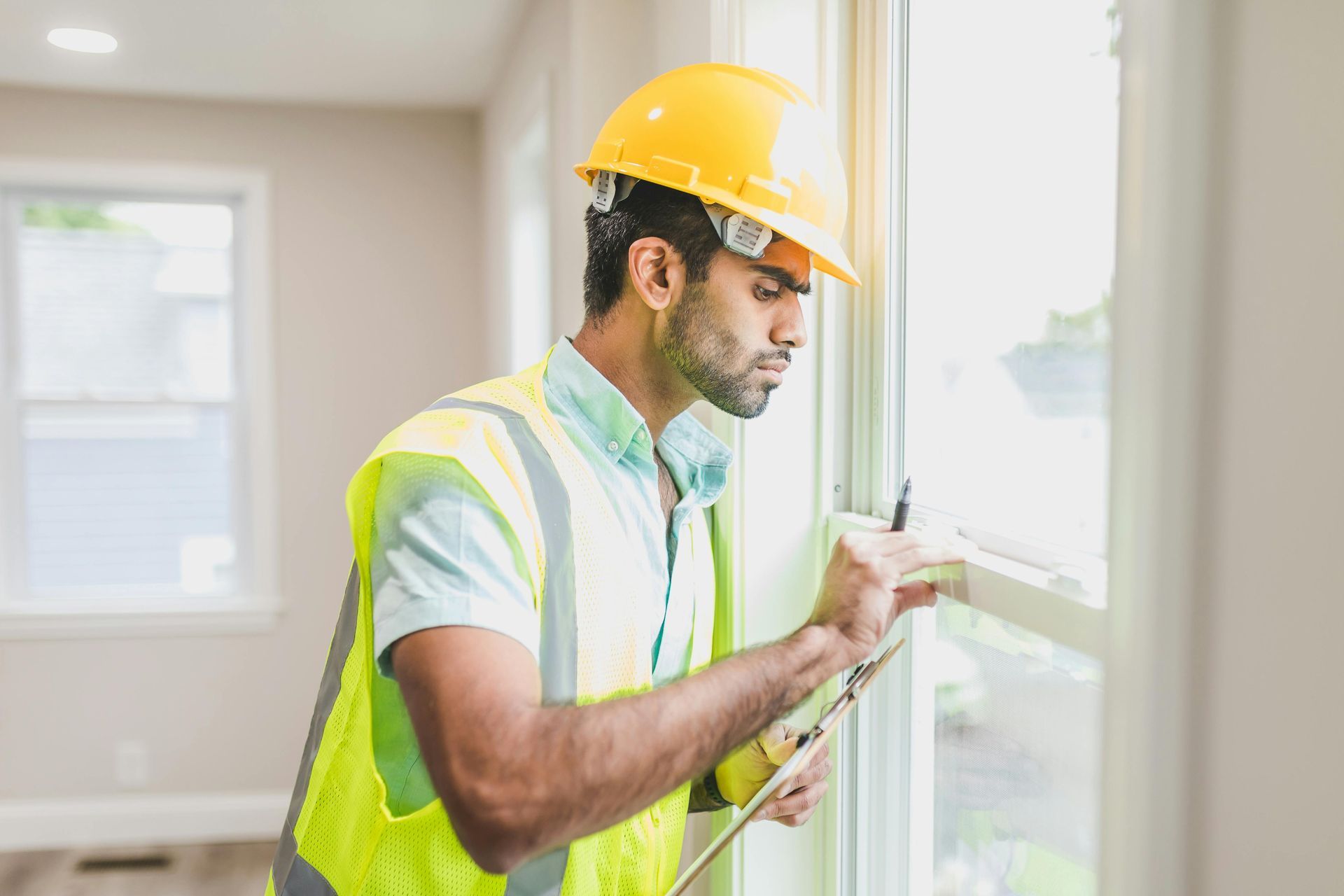
- A certified inspector conducts the evaluation, using standardized checklists.
- Understanding your home’s risk profile helps prioritize improvements to minimize storm damage.
- Wind mitigation reports are especially valuable in hurricane-prone regions like Florida.
What is a Wind Mitigation Report?
A wind mitigation report is a detailed assessment of a home’s construction features that influence its ability to withstand high winds. The report identifies the strengths and weaknesses of a structure, particularly regarding the roof, windows, doors, and building connections.
The purpose of the report is twofold:
- Safety and Preparedness: Homeowners gain insights into areas that need reinforcement.
- Insurance Benefits: Insurance providers may offer discounts if certain wind-resistant features are present.
In Florida, wind mitigation reports are standardized, often following guidelines established by the Florida Building Code and Florida Office of Insurance Regulation. This ensures consistency in inspections and allows insurers to accurately evaluate risk.
Why Wind Mitigation Matters in Florida
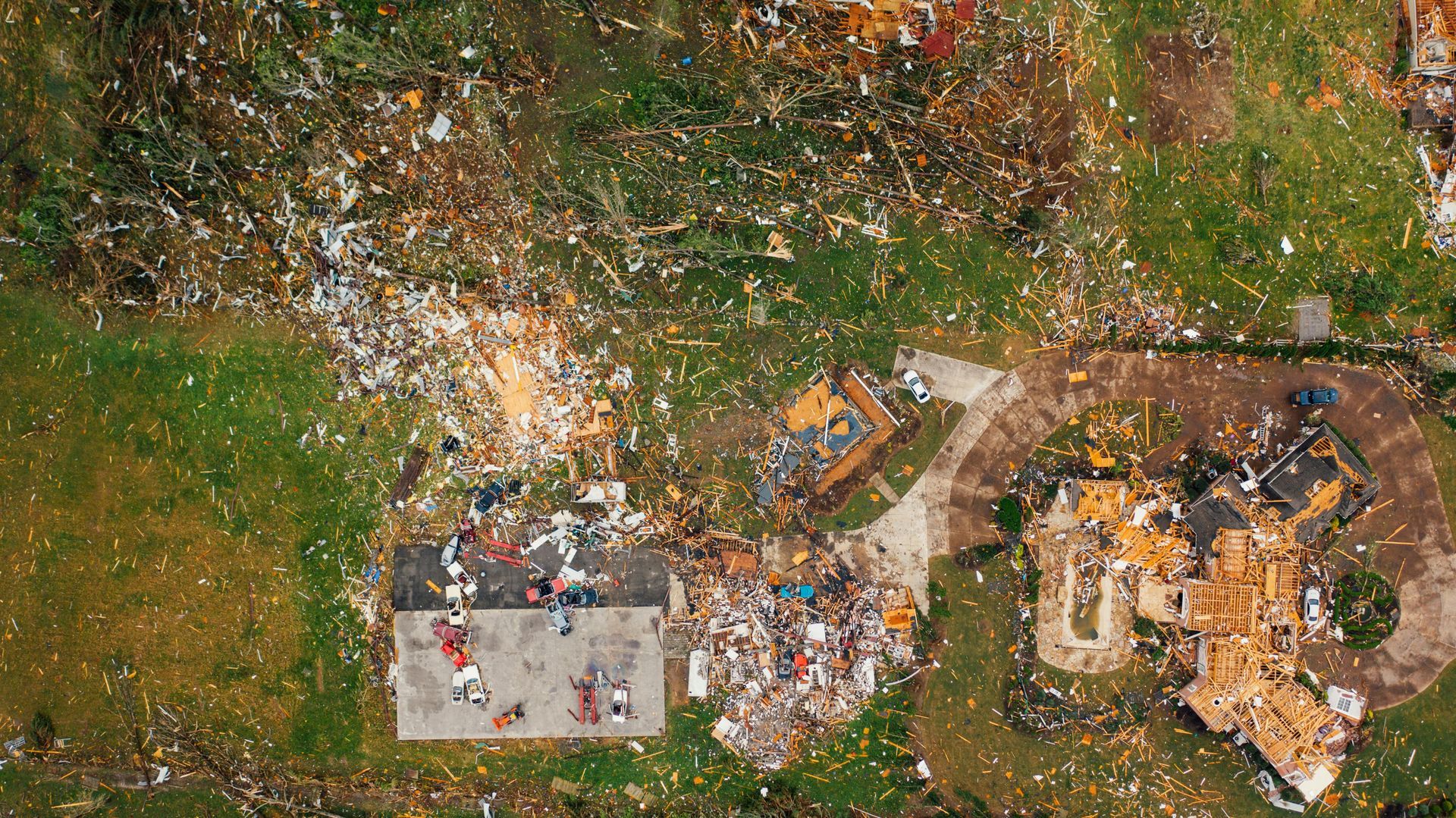
Florida’s climate makes wind mitigation a necessity. The state experiences frequent hurricanes and tropical storms, which can cause significant property damage. Homes with adequate wind-resistant features have a higher likelihood of surviving storms with minimal damage.
Some reasons wind mitigation is important include:
- Protection Against Damage: Reinforced roofs, impact-resistant windows, and secure doors reduce the risk of catastrophic damage.
- Lower Insurance Premiums: Insurance companies reward homeowners who have mitigated risk through structural improvements.
- Peace of Mind: Knowing your home is structurally prepared can ease stress during hurricane season.
Even minor improvements, such as installing hurricane clips on a roof or upgrading windows, can improve your home’s safety profile and potentially result in substantial cost savings over time.
What a Wind Mitigation Report Includes
Wind mitigation reports cover several critical aspects of a home. Here is a detailed breakdown:
| Inspection Type | Typical Purpose |
|---|---|
| General Home Inspection | Overall condition of the property |
| Termite Inspection | Identifies wood-destroying organisms |
| Roof Inspection | Evaluates roof condition and materials |
| HVAC Evaluation | Assesses heating and cooling performance |
| Moisture Inspection | Identifies potential water intrusion |
Inspectors also note building age, construction type, and other structural details that affect wind resistance. The report provides a clear assessment of which features are present and which areas may benefit from improvement.
Who Conducts a Wind Mitigation Inspection?
Only certified professionals can perform official wind mitigation inspections in Florida. These inspectors are trained to evaluate structures based on the Florida Building Code and industry standards.
Qualifications include:
- Completion of state-approved wind mitigation courses
- Certification through the Florida Department of Business and Professional Regulation (DBPR)
- Knowledge of insurance-specific reporting requirements
Hiring a certified inspector ensures that the report is accurate, comprehensive, and recognized by insurance providers. Attempting a DIY assessment will not be accepted for insurance discounts.
How Wind Mitigation Features Reduce Risk
Understanding how specific features enhance wind resistance is key. Here are some common elements:
Roof-to-Wall Connections
The strength of the connection between the roof and walls can make a difference during high-wind events. Homes with hurricane straps are better equipped to withstand uplift forces, reducing the likelihood of roof detachment.
Impact-Resistant Windows
Storm-resistant windows or shutters prevent debris from entering the home and minimize pressure changes inside, which can contribute to structural failure.
Roof Covering Material
Shingle, tile, or metal roofs all behave differently under wind loads. The age and quality of the roof affect how well it can resist wind forces. Modern materials and proper installation can greatly reduce vulnerability.
Gable End Bracing
Gable ends without proper bracing are prone to collapse in hurricanes. Reinforcing these sections helps protect the overall structure.
Secondary Water Resistance
Even if wind damages the primary roof covering, a secondary layer of protection prevents water intrusion, reducing interior damage.
Insurance Benefits of a Wind Mitigation Report
Many Florida insurance companies offer discounts to homeowners who can demonstrate strong wind mitigation features. These savings can range from modest to substantial, depending on the number and quality of improvements.
Typical discounts may apply to:
- Roof-to-wall connections
- Roof covering type and age
- Opening protection (windows and doors)
- Secondary water resistance
By investing in improvements and obtaining a wind mitigation report, homeowners can lower annual premiums while increasing the safety and durability of their property.
Cost of a Wind Mitigation Inspection
The cost of a wind mitigation report in Florida generally ranges from $75 to $150, depending on property size and complexity. While this may seem like an upfront expense, the potential insurance savings often outweigh the cost.
For example, a typical insurance discount from a well-documented wind mitigation report may save several hundred dollars per year. Over time, these savings can offset the cost of home improvements or inspections.
How to Prepare for a Wind Mitigation Inspection
Preparing your home for a wind mitigation inspection ensures a smooth process and accurate report. Consider these steps:
- Gather Documentation: Collect roof permits, previous inspection reports, and any records of home improvements.
- Clear Access Areas: Ensure the inspector can access the roof, attic, windows, and doors safely.
- Identify Existing Improvements: Make a list of storm shutters, hurricane clips, or reinforced doors.
- Perform Basic Maintenance: Repair loose shingles, clean gutters, and secure any loose elements that could affect the inspection.
Proper preparation can help the inspector evaluate your home accurately and identify all eligible insurance discounts.
Common Misconceptions About Wind Mitigation Reports
Many homeowners misunderstand the purpose and benefits of wind mitigation reports. Clarifying these points can help:
- Misconception 1: The report prevents hurricane damage.
Reality: The report does not prevent damage but identifies ways to reduce risk. - Misconception 2: Only new homes benefit.
Reality: Older homes can still qualify for discounts if they have updated wind-resistant features. - Misconception 3: Inspections are expensive.
Reality: Costs are generally low compared to potential insurance savings. - Misconception 4: All windows need replacement.
Reality: Even partial protection like shutters can improve your home’s rating. - Misconception 5: Insurance discounts are automatic.
Reality: You must submit the official wind mitigation report to your insurance provider.
Upgrades That Improve Wind Resistance
Homeowners looking to strengthen their property may consider the following upgrades:
- Installing hurricane straps on the roof
- Upgrading to impact-resistant windows
- Adding secondary water resistance under roofing materials
- Bracing gable ends and reinforcing doors
- Securing garage doors with wind-rated models
Investing in these upgrades not only increases safety but may also qualify homeowners for further insurance premium reductions.
Frequently Asked Questions
Are home inspections required in Tallahassee FL?
Home inspections are not legally required, but they are strongly recommended for first time buyers.
How long does a home inspection take?
Most inspections take between two and four hours depending on the home’s size and condition.
Can a home fail a home inspection?
Homes do not pass or fail inspections. The report simply documents findings and observations.
Should I worry about every issue listed in the report?
No. Many findings involve routine maintenance or minor repairs rather than serious problems.
Can I back out of a purchase after the inspection?
That depends on the terms of your contract. Many agreements include an inspection contingency.
Final Thoughts
Wind mitigation reports in Florida provide homeowners with a clear understanding of their home’s risk profile. These reports serve as both a safety tool and a financial strategy, helping homeowners identify weaknesses, prioritize upgrades, and potentially reduce insurance costs. By investing in a certified inspection and addressing structural vulnerabilities,
Florida homeowners can protect their property and peace of mind during hurricane season.
Protect your home and save on insurance today. Schedule a certified wind mitigation inspection to understand your property’s risk profile and unlock potential savings.
Reference:
https://www.investopedia.com/terms/a/adjuster.asp