A Complete Guide to Home Insurance & Inspections in Florida & Georgia
Securing homeowners' insurance in Florida and Georgia requires more than just shopping for the best rates. Both states have specific inspection requirements that can significantly impact your coverage options and premiums. Understanding these requirements helps homeowners prepare for the insurance process and avoid coverage gaps.
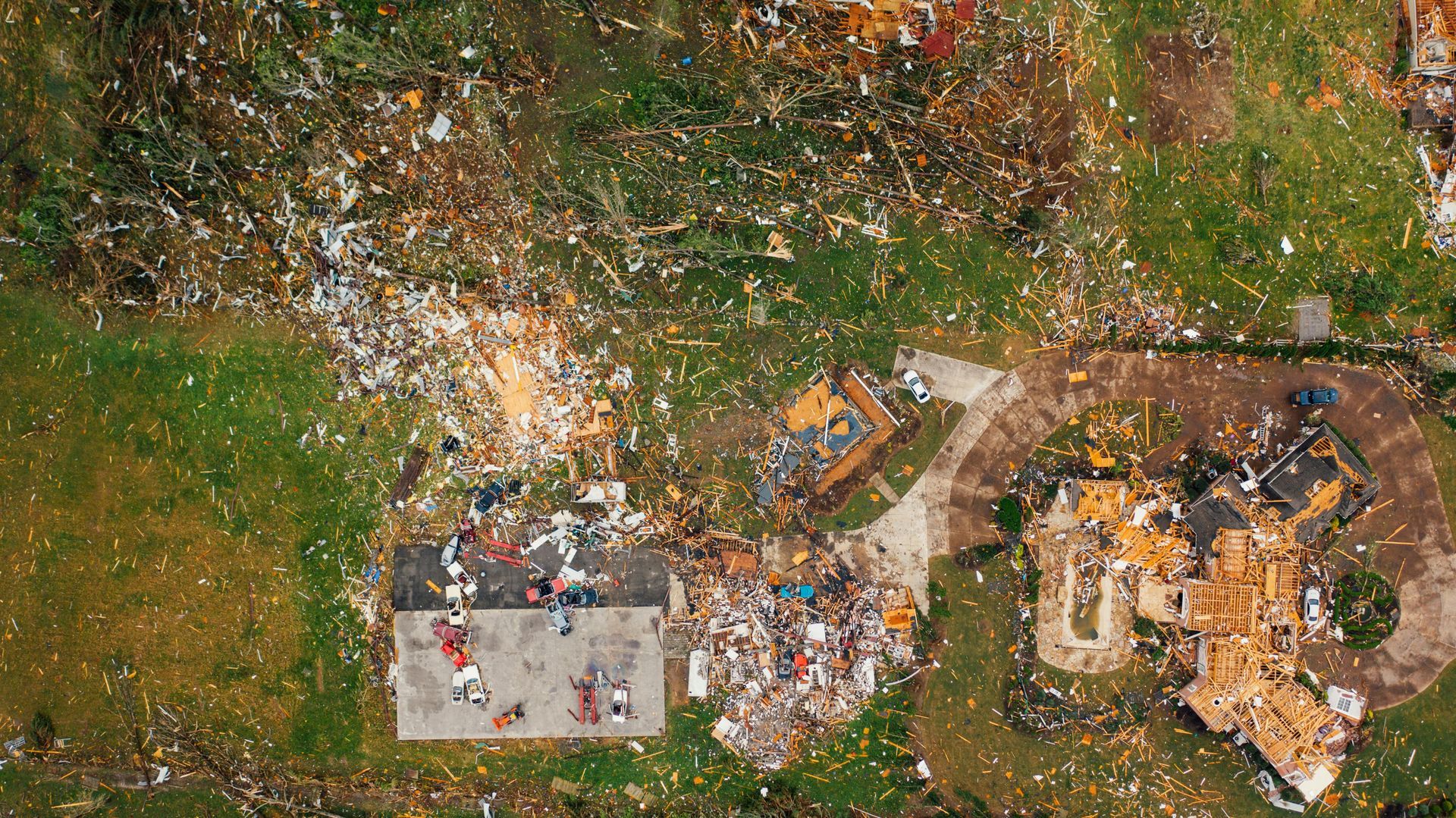
Insurance home inspections serve multiple purposes beyond simply qualifying for coverage. They identify potential risks, verify the condition of critical systems, and provide insurers with the data needed to accurately assess your property. For homes in hurricane-prone regions like Florida, these inspections are especially important for determining wind damage coverage.
This guide covers everything you need to know about home insurance inspections in Florida and Georgia, from understanding inspection types to preparing your home and managing costs.
Key Takeaways
- Four-point inspections in Florida evaluate the four major systems: HVAC, electrical, plumbing, and roofing. They’re typically required for homes over 30 years old or when switching insurance carriers.
- Wind mitigation inspections can reduce insurance premiums by documenting features that make your home more resistant to hurricane damage, with potential savings reaching 20–40% in some cases.
- Roof condition is a critical factor in securing homeowners insurance, with many insurers requiring roofs to have a remaining useful life of at least 10–15 years.
- Georgia homeowners may face different inspection requirements depending on location, with coastal areas often subject to stricter standards similar to Florida regulations.
- Inspection costs vary by type and location, with four-point inspections ranging from $75–$200 and wind mitigation inspections typically costing $85–$175.
- Failed inspections can be addressed through repairs and follow-up inspections, though this may delay coverage or result in higher premiums until issues are resolved.
Understanding Home Insurance Inspections
Insurance home inspections differ from standard home inspections conducted during real estate transactions. While a typical home inspection provides a detailed evaluation for buyers, insurance inspections focus specifically on factors that affect risk and insurability. These assessments help insurance companies determine coverage eligibility, set appropriate premiums, and identify potential liabilities.
Inspections usually occur when applying for new coverage, renewing an existing policy, or when insurers conduct periodic reviews. Inspectors examine specific elements that influence the likelihood and potential cost of future claims. Their findings affect whether you can obtain coverage and the terms and pricing of your policy.
Home inspections for insurance serve three main functions:
- Verify the current condition of your property.
- Document safety features and systems.
- Identify risks that could lead to claims.
This information helps insurers make informed underwriting decisions and ensures homeowners understand what aspects of their property may need attention to maintain or improve coverage.
Four-Point Inspections in Florida
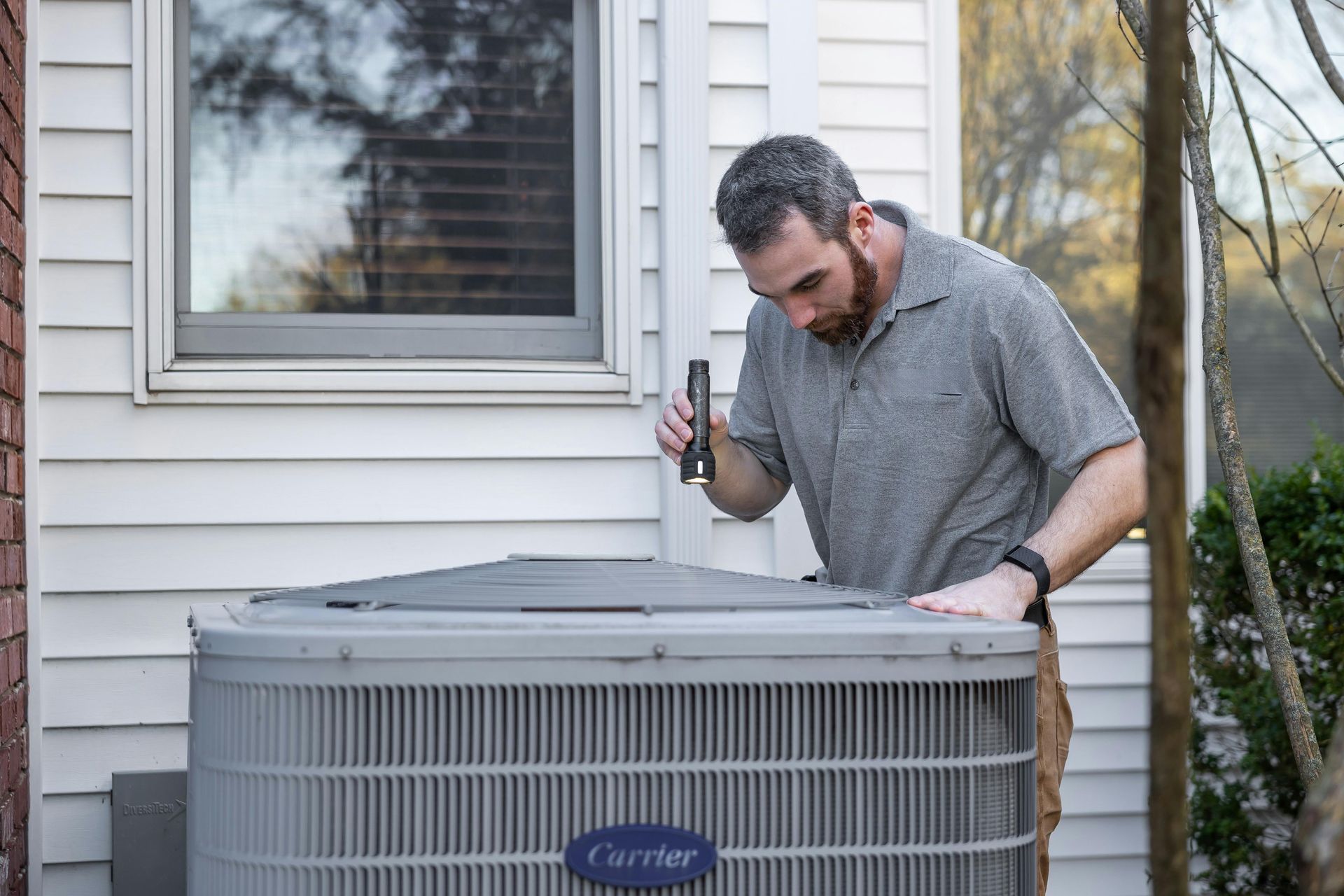
The four-point inspection has become standard in Florida, particularly for older homes. It evaluates four critical systems: heating, ventilation, and air conditioning (HVAC), electrical, plumbing, and roofing. These systems are most likely to fail and cause insurance claims, making them a key focus for insurers.
A four-point inspection typically occurs when purchasing an older property, switching insurance carriers, or when an insurer requires an updated assessment. Most companies request this for homes over 30 years old, though some may require it for newer properties, depending on underwriting standards.
The inspection provides a snapshot of these major systems without the detail of a full home inspection. Inspectors document the age, condition, and functionality of each system, noting materials, visible defects, and whether systems appear to function properly. This standardized report helps insurers quickly assess a property's condition and serves as an official reference throughout the policy period.
What Inspectors Evaluate
HVAC System
- Age and type of heating and cooling equipment
- Visible condition and signs of proper maintenance
- Evidence of leaks, corrosion, or other issues
Electrical System
- Panel type and amperage capacity
- Presence of outdated wiring like aluminum or knob-and-tube
- Signs of improper modifications or safety hazards
Plumbing System
- Water heater age and condition
- Pipe materials throughout the home
- Evidence of leaks, water damage, or polybutylene pipes
Roofing System
- Roof age and remaining useful life
- Roofing material type and overall condition
- Signs of damage, wear, or potential leak points
Cost: Typically $75–$200, depending on property size, location, and inspector. Many professionals offer package deals when combining four-point inspections with wind mitigation inspections.
Wind Mitigation Inspections
Wind mitigation inspections assess features that help homes withstand hurricane-force winds. They identify construction elements that reduce risk and may result in insurance discounts. For Florida and coastal Georgia homeowners, these inspections are among the most effective ways to lower premiums while ensuring protection.
A certified inspector examines elements proven to reduce wind damage. Insurance companies recognize these features through premium discounts because homes with wind-resistant construction generally experience fewer and less severe claims during storms.
Cost: Usually $85–$175. Homes with comprehensive features may see premium reductions of 20–40% or more, often continuing year after year.
Key Features Evaluated
- Roof covering: Installation method and compliance with building codes
- Roof deck attachment: How the roof decking connects to trusses or rafters
- Roof-to-wall connection: Presence of hurricane straps or clips
- Roof shape: Hip roofs perform better in high winds than gable roofs
- Opening protection: Impact-resistant windows, shutters, or door protection
- Secondary water resistance: Sealed roof deck to prevent leaks if shingles blow off
Homeowners can pursue retrofit projects like hurricane shutters, impact-resistant windows, or enhanced roof connections to improve scores and increase insurance savings. Accurate documentation of features is critical, as insurers rely on proper reporting for discounts.
Roof Inspections for Insurance
Roof condition is critical for obtaining and maintaining homeowners' insurance, especially in Florida and Georgia. Insurers examine roof age, condition, and remaining useful life. A roof inspection for insurance provides detailed information on this essential protective component.
These inspections differ from general roofing assessments by focusing on insurability factors. Inspectors evaluate current damage and the likelihood of future claims based on the roof’s age and condition. Reports include photographs, measurements, and descriptions to guide underwriters in coverage and pricing decisions.
Many insurers require roofs to have a remaining useful life before offering coverage. In Florida, some carriers won’t insure roofs older than 15–20 years without a professional inspection. This reflects the high costs and frequency of roof damage claims in hurricane-prone areas.
Homeowners Insurance Roof Inspection Components
- Installation date and roofing material type
- Current condition, including missing or damaged shingles
- Flashing, valleys, and vulnerable areas
- Ventilation and drainage systems
- Remaining useful life estimation
- Identification of immediate repair needs
Some homeowners pursue FORTIFIED roof certification, demonstrating superior wind resistance. Certified roofs may qualify for additional discounts beyond standard wind mitigation credits.
If an inspection reveals roof concerns, address them promptly. Insurers may provide a grace period for repairs, but failure to act could lead to coverage restrictions or policy cancellation. Keeping detailed maintenance records is valuable for renewals or switching carriers.
Insurance Requirements in Florida vs Georgia
While Florida and Georgia share similarities, important differences exist in inspection requirements and coverage availability.
Florida:
- Some of the strictest inspection requirements due to hurricanes
- Four-point inspections and wind mitigation assessments are routine
- Older homes or coastal properties face more rigorous underwriting
- Citizens Property Insurance serves as an insurer of last resort
Georgia:
- Inspection requirements vary by location and carrier
- Coastal areas often follow standards similar to Florida
- Inland homes face fewer mandatory inspections
- Georgia Underwriting Association serves hard-to-insure properties
Apartment and multi-family properties may face additional scrutiny regarding common areas, fire safety, and building-wide systems. Property owners should consult insurance providers about specific requirements.
Preparing for Your Insurance Inspection
Proper preparation improves inspection results and helps avoid surprises that could delay coverage or increase costs. Understand what type of inspection your insurer requires and what the inspector will evaluate.
Start preparation weeks in advance. Walk through your property, focusing on areas inspectors emphasize. Document major systems, gather maintenance records, and identify items needing attention.
Pre-Inspection Checklist
- Clear access to
attics, crawl spaces, and panels
- Documentation of recent repairs or improvements
- Test all systems (HVAC, plumbing, electrical)
- Address visible maintenance issues (loose shingles, leaky faucets, damaged siding)
- Trim vegetation for clear roof views
- Compile information on roof age, HVAC, and water heater
During inspection, remain available for questions. Provide information on system ages, repairs, and improvements. Avoid hovering or defensive behavior; inspectors aim for accurate documentation, not judgment.
Address any issues before the scheduled inspection or have a plan to resolve them. Some concerns may raise premiums, while others require correction before coverage is granted.
Costs and Finding Qualified Inspectors
Inspection fees vary by property size, location, inspector experience, and assessment type.
- Four-point inspections: $75–$200
- Wind mitigation inspections: $85–$175
- Roof inspections may be included or separate
Verify credentials and experience with insurance-specific inspections. Look for inspectors with errors and omissions insurance. Confirm state licensing requirements for your location.
Questions to Ask Inspectors
- What certifications or licenses do you hold?
- How long have you been conducting insurance inspections locally?
- Do you carry errors and omissions insurance?
- What is included in your report, and how quickly is it delivered?
- Are you familiar with the insurer’s required forms?
- Can you provide references?
Working with inspectors who specialize in insurance assessments ensures reports meet carrier requirements. Sample reports help gauge quality and completeness.
What Happens If You Fail an Inspection
Failing an inspection doesn’t necessarily prevent coverage but adds steps. The impact depends on the severity of issues and insurer policies.
Responses may include:
- Coverage with exclusions until repairs are completed
- Higher premiums due to increased risk
- Required repairs within a specified timeframe
- Declined coverage until issues are resolved
Common Failures and Solutions
- Electrical Systems: Aluminum wiring, outdated panels → rewiring or panel replacement
- Roof Damage: Near end of life or damaged → repair or replacement
- Plumbing: Polybutylene or galvanized pipes → repiping
- HVAC: Old or malfunctioning systems → replacement or maintenance documentation
After repairs, schedule follow-up inspections. Some inspectors offer reduced rates for focused re-inspections. Updated reports may positively affect premiums or coverage.
In cases where standard insurers decline coverage, surplus lines or state-run programs may provide temporary protection. Independent agents can access multiple carriers to find suitable coverage.
Frequently Asked Questions
How long does a four-point inspection take?
A typical four-point inspection takes 30 to 60 minutes, depending on property size and complexity. Inspectors can usually provide preliminary findings immediately, with the complete written report delivered within 24-48 hours.
Can I use an old inspection report for a new insurance policy?
Most insurance companies accept inspection reports that are less than one year old, though some carriers require more recent assessments. Check with your specific insurer about their requirements, as policies vary between companies and may depend on the property's condition and age.
Do I need both a four-point and wind mitigation inspection?
Many Florida homeowners benefit from both inspections, as they serve different purposes and provide distinct benefits. The four-point inspection focuses on major systems for insurability, while wind mitigation documents features that can reduce your premiums through discounts.
What if my roof is older than 15 years?
Older roofs may still be insurable if a professional inspection confirms good condition and adequate remaining useful life. Some insurers require more frequent inspections or offer limited coverage for roof claims on older roofs, so explore multiple insurance options to find the best terms.
Are insurance inspections required for all homes?
Not all homes require inspections, as requirements vary by insurance carrier, property age, location, and coverage type. Newer homes often qualify for coverage without inspections, while older properties or those in high-risk areas typically face more stringent inspection requirements regardless of apparent condition.
Final Thoughts
Navigating home insurance inspections in Florida and Georgia requires understanding state-specific requirements and preparing your property. Whether you need a four-point inspection, wind mitigation evaluation, or specialized roof inspection, working with qualified professionals ensures accurate documentation and optimal results.
These inspections are valuable for securing coverage and identifying maintenance needs before they become costly problems. Investing in professional inspections often pays off through better coverage terms, lower premiums, and peace of mind.
Stay informed about evolving insurance standards and maintain thorough records of repairs, improvements, and maintenance. A proactive approach positions you for smoother renewals and ensures access to the coverage you need for one of your most valuable assets.
Schedule your home inspection today and secure the best coverage!
Reference:
https://fortifiedhome.org/roof/