How Wind Mitigation Inspection in Florida Can Lower Your Insurance Premium
Living in Florida means dealing with hurricane season every year, and unfortunately, that reality comes with some of the highest homeowner's insurance premiums in the country. The good news? A professional wind mitigation inspection in Florida can be your ticket to substantial insurance savings, sometimes reducing your annual premiums by hundreds or even thousands of dollars. These specialized inspections document the storm-resistant features of your home that insurance companies reward with significant discounts. The process is straightforward, the benefits are immediate, and for most homeowners, the savings far outweigh the modest cost of the inspection itself.
Key Takeaways
- Insurance premium reductions can range from 10% to 45% annually
- Wind mitigation reports remain valid for five years in most cases
- Professional roof inspection north florida services identify qualifying features
- Proper documentation must meet Florida state requirements for discounts
- Multiple structural elements are evaluated during comprehensive inspections
- Qualified inspectors provide detailed reports for insurance submission
Understanding Wind Mitigation Inspections
Think of a wind mitigation inspection as a comprehensive health checkup for your home's ability to weather a storm. A qualified inspector systematically evaluates the key structural features that determine how well your house can stand up to hurricane-force winds.
During the inspection process, licensed professionals examine six main areas:
- Roof shape and covering materials - Hip roofs vs gable roofs and modern wind-rated materials
- Roof deck attachment methods - Enhanced fastening techniques for superior holding power
- Roof-to-wall connections - Hurricane clips and straps that anchor your roof system
- Wall construction type - Concrete block, masonry, or engineered systems
- Window and door protection - Impact glass, shutters, and reinforced openings
- Secondary water resistance - Sealed roof decks for additional protection
Professional inspectors document their findings using standardized forms required by the
Florida Office of Insurance Regulation. Every measurement, material type, and construction method is carefully recorded and photographed.
This thorough documentation ensures your wind mitigation report for
Live Oak, FL, residents meets all insurance company requirements for premium discounts.
Roof Components That Impact Insurance Rates
When it comes to wind mitigation, your roof is absolutely the star of the show. Insurance companies focus heavily on roof construction because it's typically the first line of defense during a hurricane.
Key roof features that impact insurance rates include:
- Hip roof shape - Four-sided roofs distribute wind forces more evenly than gable roofs
- Wind-rated materials - Modern shingles, metal roofing, and tile designed for high winds
- Enhanced deck attachment - Ring shank nails or screws with closer spacing patterns
- Roof-to-wall connections - Hurricane clips and straps that anchor the roof system
Hip roofs are the gold standard for hurricane protection. Unlike gable roofs that have triangular end walls acting like sails in high winds, hip roofs distribute wind forces evenly around the structure. If you have a hip roof, you're already ahead of the game for insurance savings.
Modern roofing materials are engineered to withstand much higher wind speeds than older products. A professional roof inspection in North Florida can verify whether your materials qualify for discounts and document their wind ratings for insurance submission.
Roof deck attachment has evolved dramatically over the years. Older homes might have standard nails spaced far apart, while newer construction features ring shank nails or screws with closer spacing. Enhanced attachment methods provide dramatically improved holding power when hurricane winds try to lift your roof away.
The critical connection between your roof and walls determines how well your entire roof system stays anchored during extreme weather. Modern construction uses hurricane clips, straps, or engineered connectors that create much stronger bonds than basic toe-nail connections used in older construction.
Window and Door Protection Systems
While your roof gets a lot of attention in wind mitigation discussions, don't overlook the importance of protecting your windows and doors. These openings can be vulnerable points during a hurricane, but proper protection earns impressive insurance discounts.
Effective opening protection systems include:
- Impact-resistant windows - Laminated glass that stays intact when struck by debris
- Storm shutters - Accordion systems, roll-downs, or removable panels
- Reinforced doors - Enhanced entry doors and protected sliding glass doors
- Proper certification - All systems must meet approved testing standards
Impact-resistant windows have become increasingly popular in Florida. These windows feature special laminated glass construction designed to stay intact even when hit by flying debris. The concept is simple: keep wind and debris outside where they belong, and you dramatically reduce interior damage risk.
Think of it like the windshield in your car; even if something hits it hard enough to crack it, the glass stays in place rather than shattering into dangerous pieces. When properly installed with appropriate certification labels, impact windows qualify for substantial insurance discounts.
If you don't have impact-resistant windows, storm shutters provide excellent protection. Various types are available, from permanent accordion systems to removable panels. The key for insurance purposes is ensuring shutters meet approved testing standards and cover all vulnerable openings.
Don't forget about doors, especially large sliding glass doors or French doors. These openings can be particularly vulnerable during storms but can be protected with impact-resistant glass or appropriate shuttering systems. Every protected opening contributes to your overall wind resistance profile.
Wind Mitigation Features and Potential Savings
| Mitigation Feature | Description | Potential Discount |
|---|---|---|
| Hip Roof Shape | Four-sided roof design provides superior wind resistance | Up to 15% |
| Enhanced Roof Attachment | Ring shank nails or screws with closer spacing | Up to 17% |
| Impact-Resistant Windows | Laminated glass construction resists debris impact | Up to 15% |
| Secondary Water Resistance | Sealed roof deck protects against water infiltration | Up to 5% |
Secondary Water Resistance and Advanced Protection Features
Beyond the major structural elements, several additional features can contribute to your insurance savings. Understanding these lesser-known protective elements helps ensure you're getting credit for every qualifying feature.
Additional wind mitigation features include:
- Secondary water resistance - Sealed roof decks with self-adhering membranes
- Enhanced wall construction - Concrete block, reinforced masonry, or engineered systems
- Reinforced garage doors - Doors designed to withstand high wind pressures
- Protected skylights - Impact-resistant or properly shuttered roof openings
Secondary water resistance refers to a sealed roof deck that provides extra protection against water infiltration if primary roofing materials are damaged. This feature is becoming more common in newer construction and major roof renovations.
Wall construction plays a significant role in overall wind resistance. Concrete block construction, reinforced masonry, or newer engineered wall systems often provide superior performance compared to standard wood frame construction.
Professional Inspection Process and Documentation
When you schedule a professional wind mitigation inspection, you're investing in a process that follows comprehensive protocols. Qualified inspectors create thorough documentation that clearly demonstrates your home's wind-resistant features to your insurance company.
The inspection process includes these key components:
- Exterior roof evaluation - Direct examination of materials, fastening, and construction
- Interior structural assessment - Checking roof-to-wall connections in attics and garages
- Professional photography - Detailed images documenting all qualifying features
- Standardized reporting - Forms that meet Florida Office of Insurance Regulation requirements
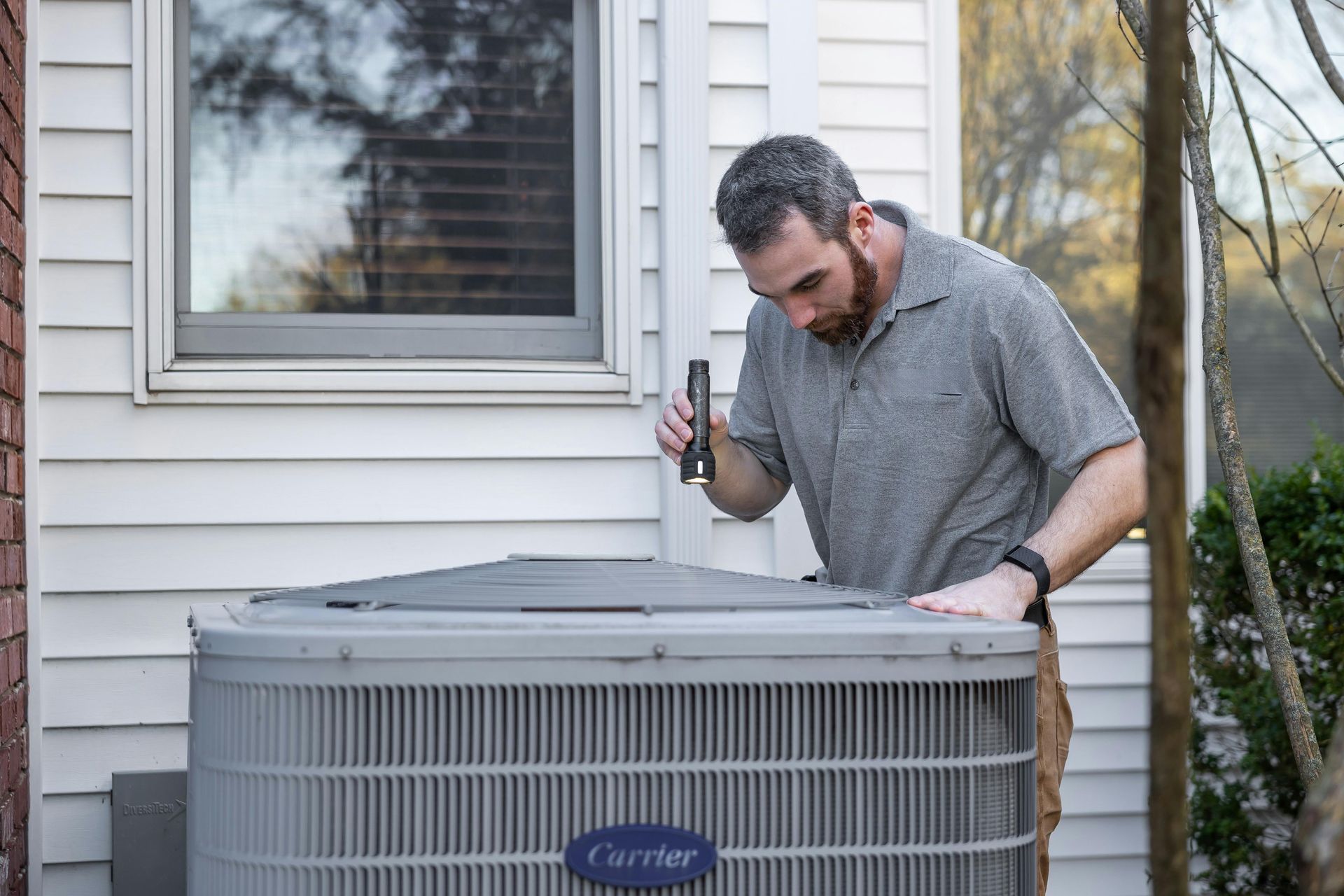
Inspectors safely access your roof to examine materials up close and verify construction methods. They look for specific details like nail spacing, fastener types, and compliance with current best practices.
The interior portion focuses on areas where structural connections are visible. Many homeowners are pleasantly surprised to discover enhanced connections, especially in homes built after major hurricanes when building codes were strengthened.
Maximizing Insurance Savings Through Proper Preparation
Getting the most value from your wind mitigation inspection starts before the inspector arrives. Proper preparation helps ensure a smooth process and can uncover additional savings opportunities.
Steps to maximize your inspection results:
- Gather documentation - Construction documents, permits, and receipts for protective features
- Ensure access - Clear attic spaces and remove items blocking structural views
- Schedule wisely - Plan for favorable weather to ensure safe roof access
- Allow adequate time - Most inspections require one to two hours
Having supporting documentation helps confirm installation dates, material specifications, and building code compliance. While inspectors verify everything independently, documentation strengthens your case for discounts.
Remember that wind mitigation is an investment in both immediate savings and long-term protection. The same features that earn insurance discounts also provide real protection during severe weather events.
Frequently Asked Questions
How long does a wind mitigation inspection take to complete?
Most wind mitigation inspections require one to two hours, depending on the property size and structural complexity. Professional inspectors work efficiently to minimize disruption while ensuring thorough documentation of all qualifying features.
How often should wind mitigation inspections be updated?
Wind mitigation reports typically remain valid for five years unless significant structural modifications are made to the property. Property owners should consider new inspections after major roof work, window replacements, or other relevant improvements that could increase available discounts.
Can older homes qualify for wind mitigation discounts?
Many older homes can qualify for wind mitigation discounts, especially if they have received updates or improvements over time. Professional inspectors evaluate existing construction methods and materials to identify any features that meet current standards for insurance discounts.
What documents should I provide to my insurance company?
Submit the complete wind mitigation inspection report along with any supporting documentation, such as manufacturer certifications or installation receipts. Contact your insurance agent to verify specific submission requirements and ensure proper processing of potential discounts.
Are all insurance companies required to offer wind mitigation discounts?
Florida law requires insurance companies to offer specific wind mitigation discounts for qualifying properties, though discount amounts may vary between carriers. Review your policy details and compare options from different insurance providers to maximize potential savings.
Final Thoughts
Professional wind mitigation inspections represent one of the smartest investments Florida homeowners can make, delivering immediate financial benefits while documenting important safety features. The combination of expert assessment and thorough documentation typically results in substantial annual premium reductions that quickly offset inspection costs and continue providing savings year after year. When hurricane season arrives, you'll have the confidence that comes from knowing your home's protective features have been professionally evaluated and that you're maximizing both your insurance savings and your family's security.
Ready to discover your potential insurance savings? Schedule a professional wind mitigation inspection with us today to unlock discounts that could save you hundreds of dollars annually.
Reference:
https://floir.com/